Social media metrics - followers, likes, views, comments, and reach - are widely used to assess digital success. Because these metrics often influence budgets, strategies, and public perception, they are sometimes artificially inflated, a practice that can harm everybody in the long term. Even with social media platforms’ efforts to combat manipulation, fraudulent growth remains a persistent challenge. Sometimes such activity is discovered too late, and corrections applied by the platforms can significantly impact a company’s metrics over the long term.
What makes detection more complex is the presence of genuine talent producing real, organic results. Skilled professionals - designers, content creators, strategists, analysts - often generate authentic positive outcomes. When legitimate growth coincides with artificial boosts, it can unintentionally blur the lines between genuine performance and manipulated numbers.
A good marketing manager focuses on authentic engagement, measurable ROI, and transparent reporting. A less scrupulous approach emphasizes vanity metrics and appearances, potentially harming personal or business growth and reputation.
1. Common Indicators of Fake Followers and Engagement
A) Irregular Follower Growth Patterns
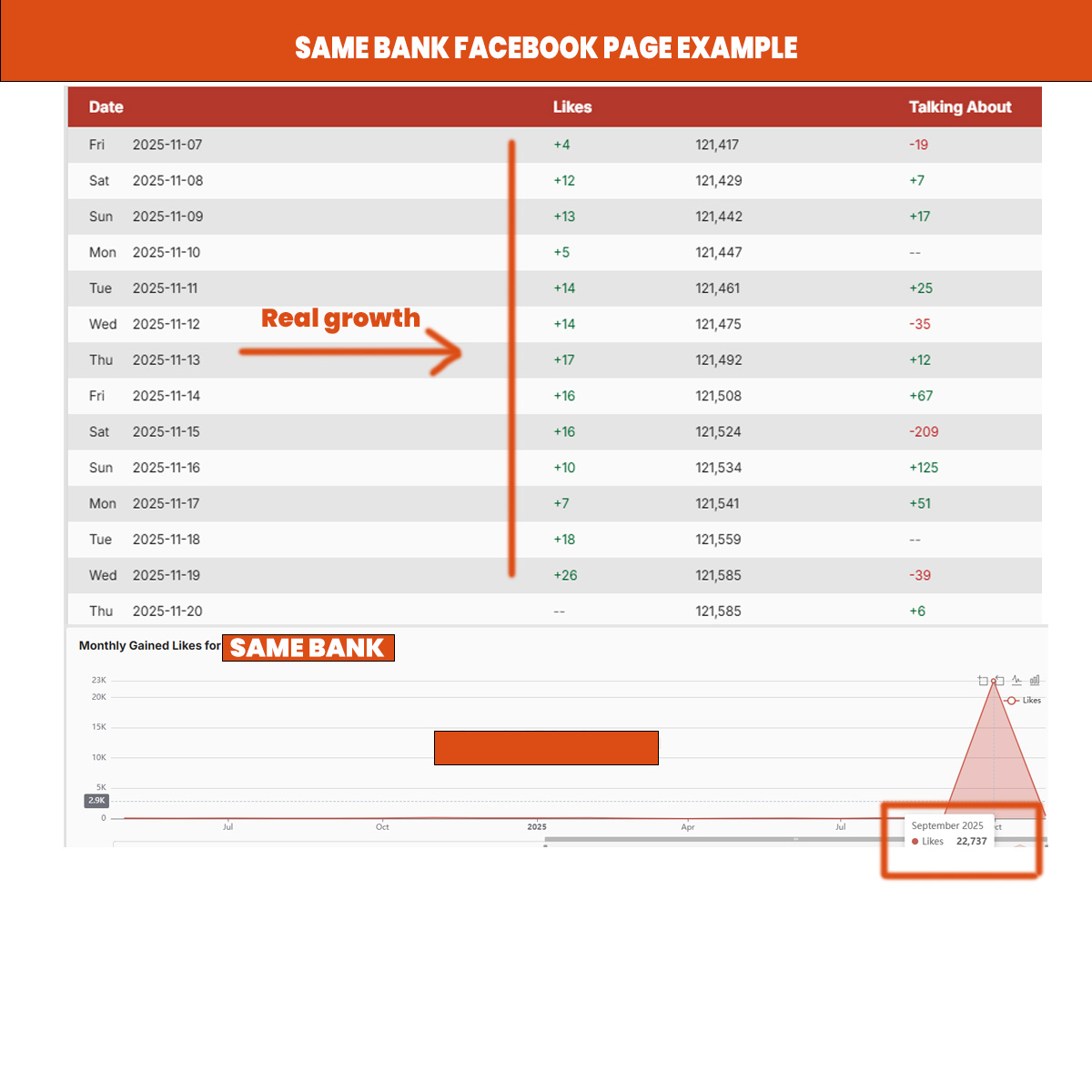
Organic growth is almost never perfectly linear. Metrics such as new followers, likes, or interactions naturally fluctuate due to factors like seasonality, content quality, external events, and campaign activity. However, certain patterns can still raise red flags and suggest that what appears to be organic growth may have been influenced by questionable or inauthentic practices.
Red flags:
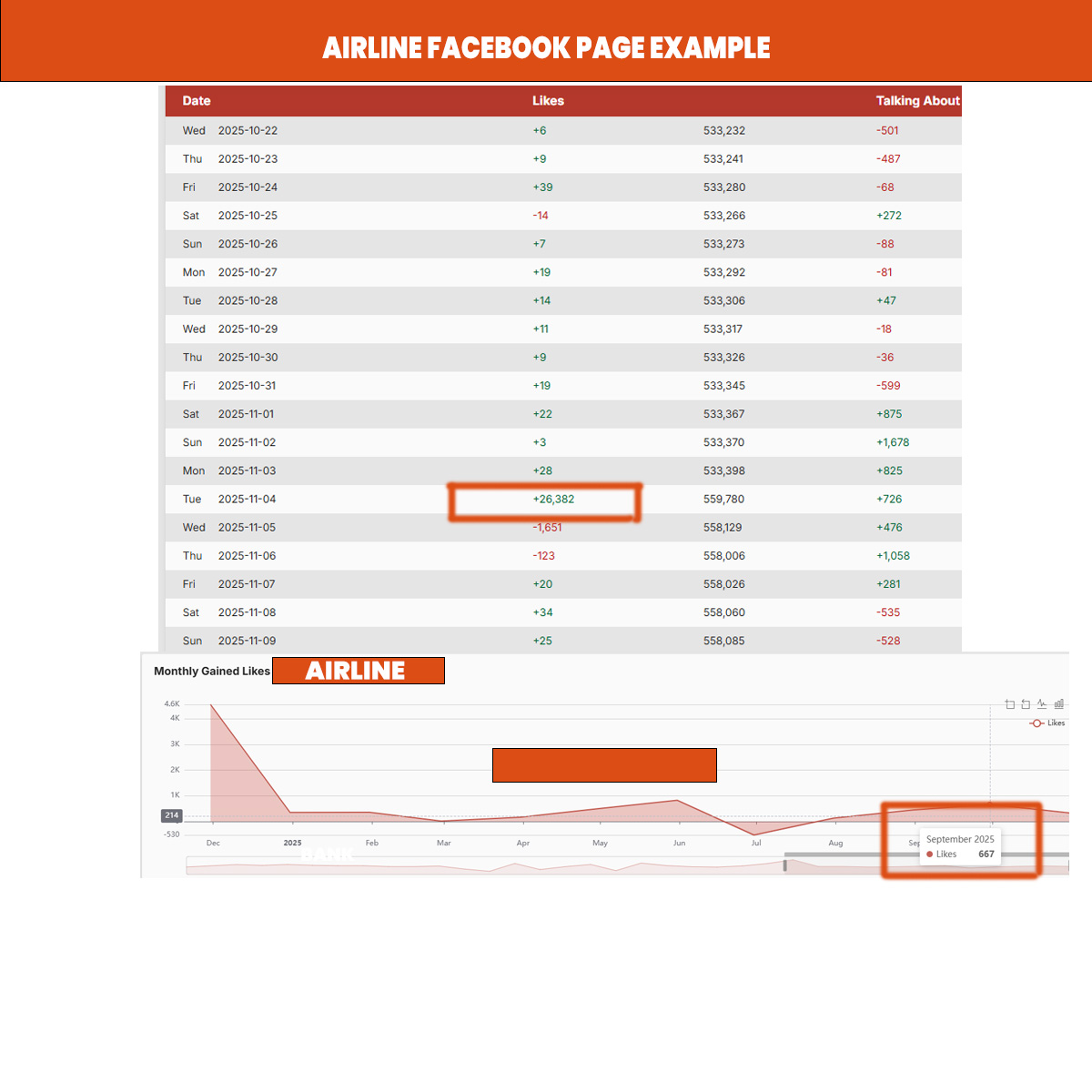
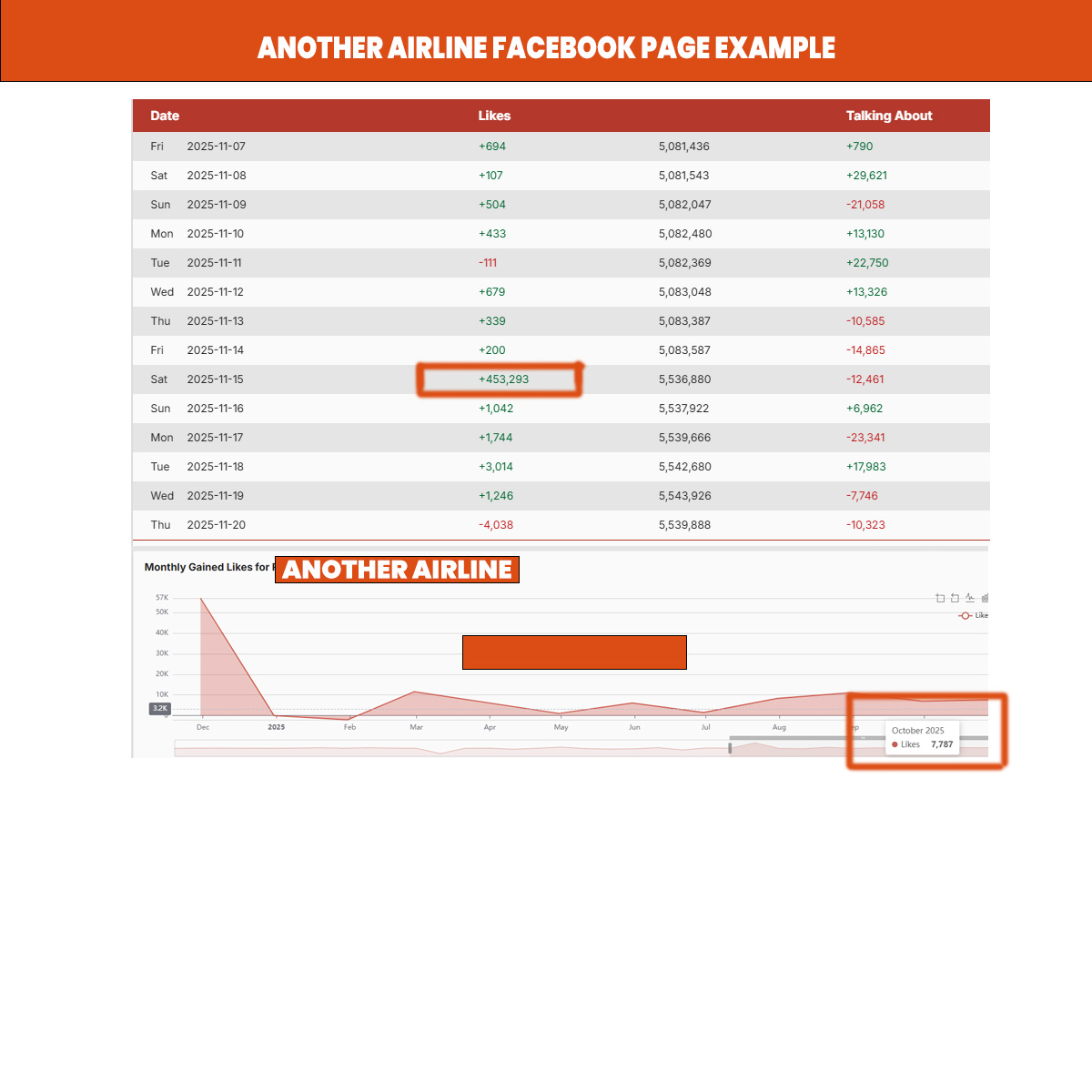
- Extremely sharp follower spikes without a clear cause
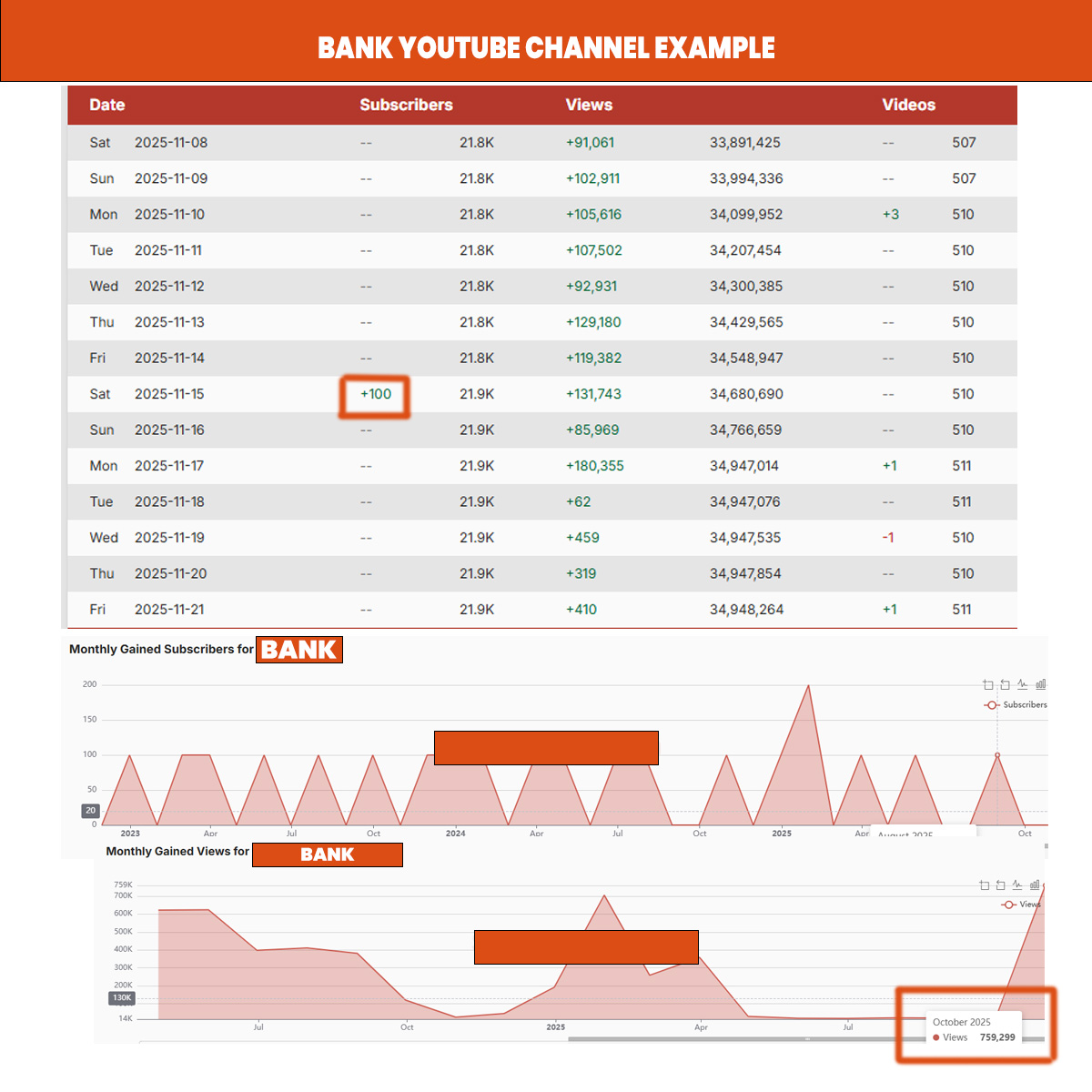
- A consistent, highly uniform increase in follower counts - for example, exactly 10 new followers every two to three weeks, with no growth on other days - may indicate inauthentic or artificially generated growth. Large increases occurring during the same periods each year could also be a sign.
- Overnight jumps followed by stagnant periods
Such patterns may indicate bulk follower purchases or automated bot activity.
B) Low-Quality or Irrelevant Engagement
Authentic engagement is context-specific, varied, and natural. Fake engagement often looks mechanical.
Indicators:
- High likes numbers or views paired with unusually low comments or shares
- Generic comments like “Nice!” or emoji strings
- Comments that do not match the content
- Engagement appearing instantly in unnatural bursts
Engagement per follower is a particularly telling metric. For example, a large follower base with extremely low likes or comments per post is often a sign of artificial inflation.
C) Unexpected Demographic Distributions
Analytics tools reveal audience demographics. Artificially inflated audiences often distort these patterns, causing additional challenges for other teams.
Warning signs:
- Followers from regions unrelated to the brand or industry
- Unusual age or gender distributions
- Large numbers of followers labeled “unknown”
D) Weak Behavioral Signals
Even if surface-level numbers look strong, deeper behavioral metrics may reveal inconsistencies:
- Low watch time despite high YouTube views
- Minimal story interactions
- Weak click-through rates or conversions
- Lack of recurring engagement from followers
Cross-platform inconsistencies are also highly indicative. For example, very high Instagram followers paired with low YouTube subscribers, minimal website traffic, or weak newsletter engagement can reveal discrepancies that suggest artificial growth.
2. Platform-Specific Red Flags
- High page likes but limited reach
- Video views inconsistent with watch duration
- Growth spikes not reflected in engagement
- Followers with minimal activity or incomplete profiles
- Story views from accounts with no interaction history
- Likes appearing immediately after posting
YouTube
- Discrepancies between view counts, watch time, likes, and shares
- Sudden large subscriber jumps during inactive periods
- Highly uniform increase in follower counts - for example, exactly 10 new followers at set times, with no growth on other days
- Traffic from unusual or irrelevant external sources
3. Why Fraud Can Be Difficult to Detect
A) Long-Term Reporting Can Mask Irregularities
Bi-annual or annual reporting can absorb sudden spikes into broader averages. Artificial engagement purchased once or twice a year can be especially difficult to detect because anomalies are smoothed across large datasets.
B) Genuine Organic Growth Can Overlap With Inauthentic Patterns
Highly skilled teams often generate measurable improvements. When authentic and artificial growth coincide, it can unintentionally camouflage irregularities, making anomalies appear normal or even deserved.
C) Polished Reports Can Mislead Stakeholders
Vanity metrics - total followers, views, impressions - can overshadow meaningful indicators like retention or conversions. Visually appealing reports may hide irregularities, especially when numbers appear to trend upward.
By prioritizing continuous monitoring, examining deeper engagement patterns, and relying on raw analytics rather than polished summaries, organizations can more accurately assess performance. Without this scrutiny, interested parties - including business owners, managers, investors, and awards bodies - can be misled by impressive-looking but selectively crafted annual reports and charts that mask underlying irregularities.
D) Responsibility Can Be Easily Shifted
When superficially strong metrics are smoothed or timed strategically, responsibility for poor performance may be redirected to other departments:
- Sales teams may be told the audience is growing, so conversions are “their responsibility”
- Conversion managers may be informed marketing is delivering “steady organic growth,” so lack of sales is a follow-up issue
- Customer acquisition teams may be tasked with improving numbers that do not reflect a truly engaged audience
Artificially inflated metrics can create the illusion of marketing success while masking low-quality audiences, making it easy to shift pressure to unrelated teams.
4. Strategies for Identifying and Preventing Misleading Metrics
- Request and review analytics directly from platform dashboards (Meta Business Manager, YouTube Studio, Instagram Insights)
- Monitor performance continuously (weekly or monthly)
- Compare metrics across platforms for inconsistencies
- Focus on quality metrics: retention, click-through rates, meaningful comments, returning viewers, conversions
- Use independent or third-party tools to validate engagement and audience authenticity
5. Ethical Implications of Inflated Metrics
- Brand credibility: Partnerships, sponsorships, and audience trust can suffer if metrics are exposed as fake
- Business decisions: Budgets and campaigns based on inflated data may underperform, wasting resources
- Long-term growth: Overemphasis on vanity metrics can distract from genuine engagement and sustainable audience development
Ethical marketing focuses on authentic growth, transparent reporting, and real engagement, ensuring stakeholders and managers can make informed decisions.
Conclusion
Fake engagement and inflated stats remain challenges across Facebook, Instagram, YouTube and other social media channels. Irregular growth patterns, unusual demographics, weak behavioral metrics, low engagement per follower, and cross-platform mismatches are key indicators. Authentic, skilled teams can unintentionally mask these anomalies, complicating detection.
Selective smoothing, summarized reporting, and visually polished charts can mislead stakeholders - including business owners, managers, investors, and award committees. Strong-looking numbers may also enable responsibility to be shifted to other departments when actual outcomes fail to align.
By focusing on continuous monitoring, raw analytics, cross-platform comparisons, and deeper engagement metrics, organizations and marketing professionals can more accurately assess true performance, mitigate the risks of artificially inflated data, and maintain ethical, long-term growth.
In conclusion, the way I see it, a successful Digital Marketing Manager must always look for signs of misconduct by the ones he’s leading (or the ones above him), as if not, his or his company’s reputation and long-term success may be affected. That, unless you’re looking for a quick, productive exit.
Most of all, if it is too good to be true, it probably is.
(Wrong) tip: If rapid career acceleration is your priority, you could, in theory, employ all the questionable practices mentioned above, secure a few “visionary excellence” awards, and transition swiftly to a higher role elsewhere - purely hypothetical, of course, though such things do happen more often than one thinks. By the time the next Marketing Manager uncovers (or suffers because of) the chaos you left behind, you’ll already be polishing your title at a new company. Rinse and repeat it two or three times, higher and higher, and you might just become an “undisputed expert” in your field - spotless reputation included - in under 5 years. (You’re welcome)
Disclaimer: I’m not the morality police; I just happen to enjoy giving free advice from time to time. (For clarity: the above tip is sarcasm, not real advice.)
To finish in a good note, thanks to all of the above the search for Business Analysts & Performance Marketing specialists is in a steadily steep rise lately.
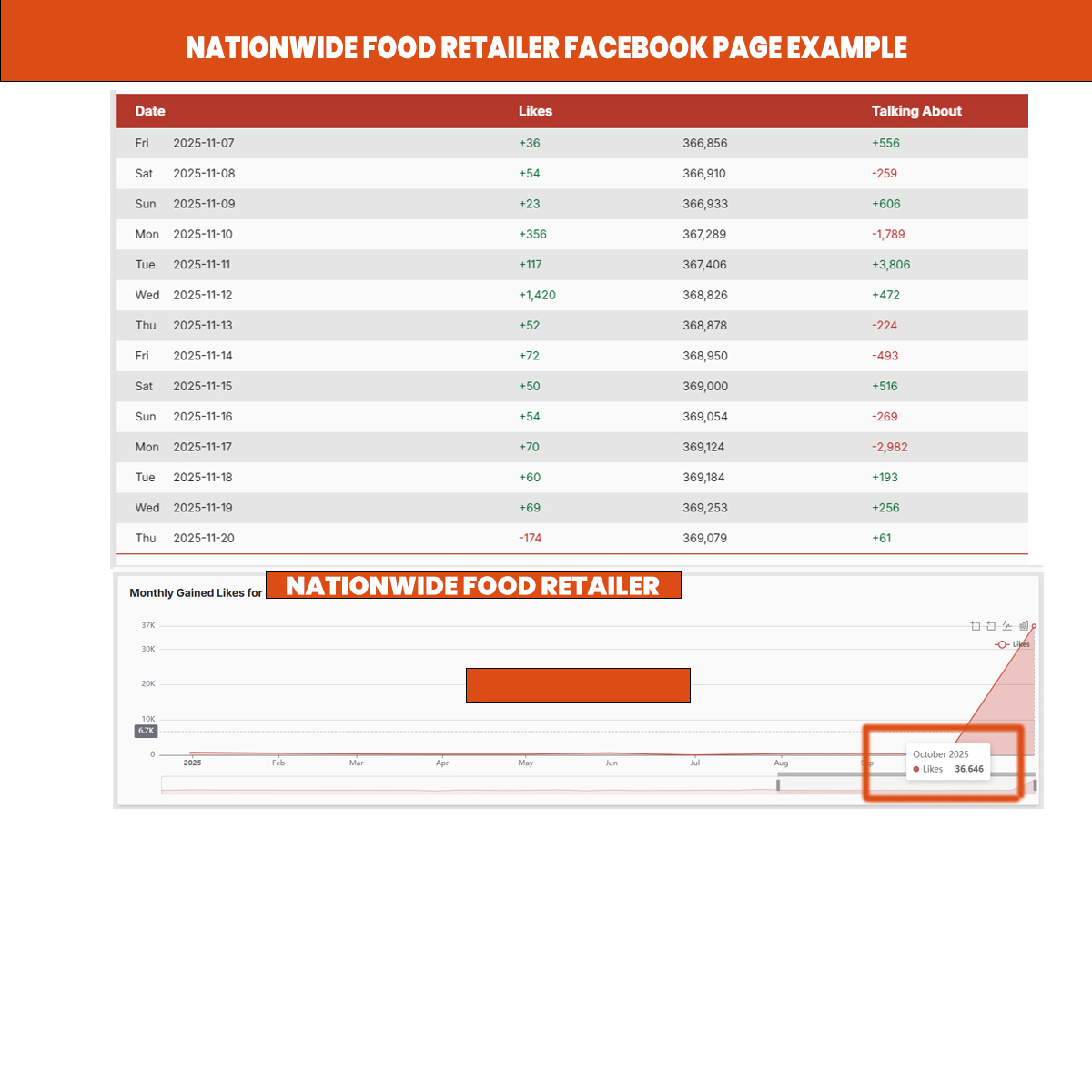
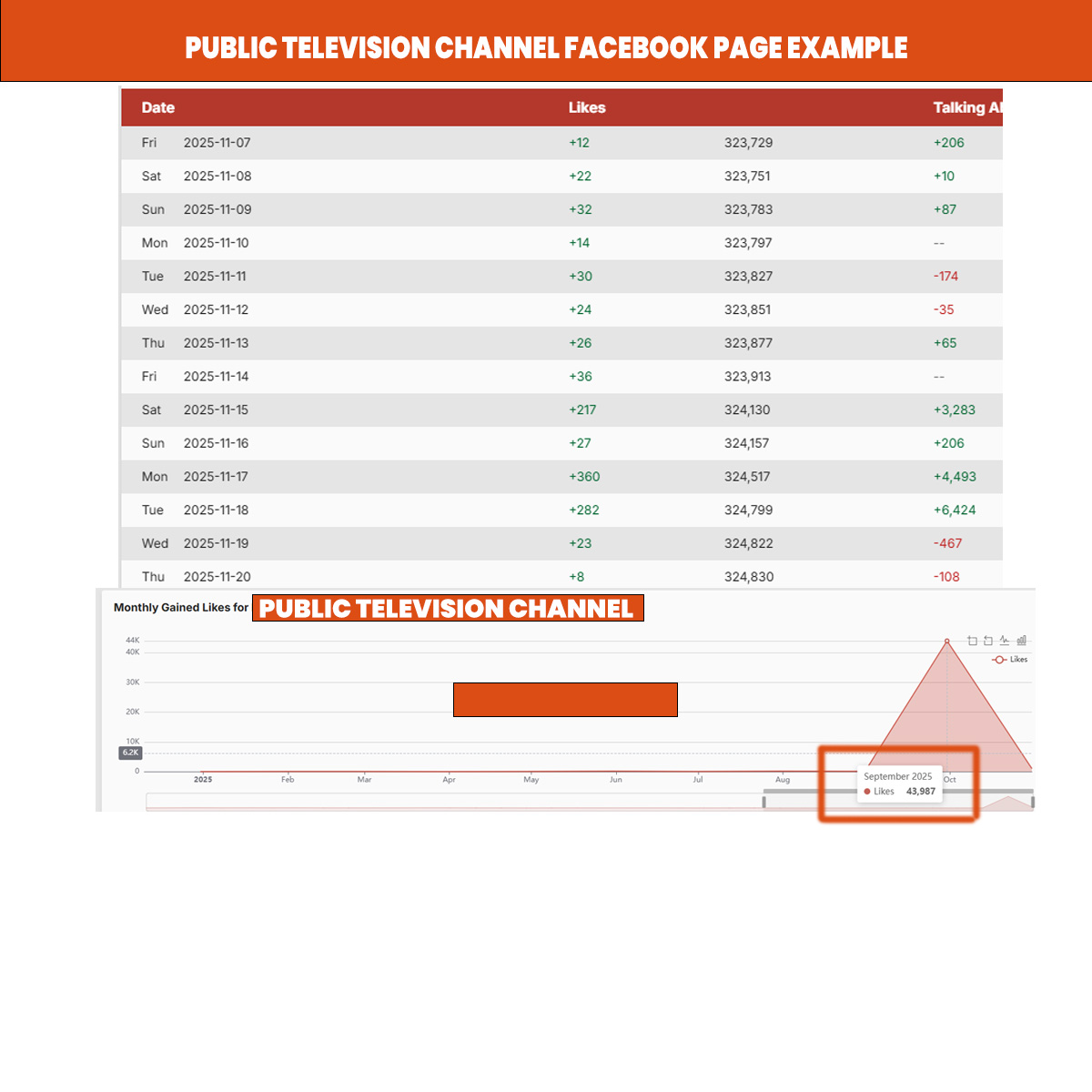
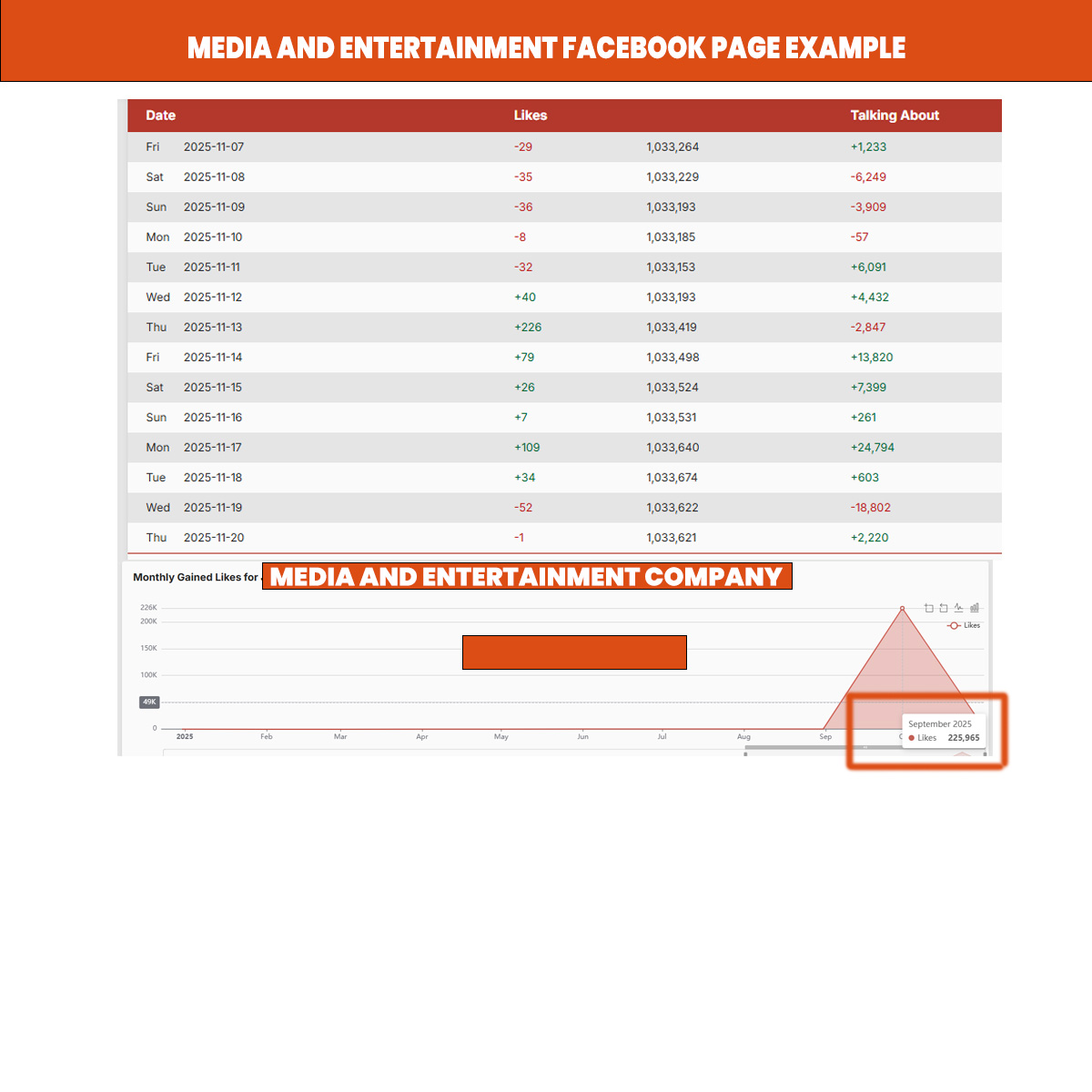
The few examples below illustrate patterns that may raise concerns for a Digital Marketing Manager, as such irregularities can be easily smoothed out within annual reporting and presented as a seemingly healthy 10–20% growth. This can, in turn, create unrealistic expectations and place undue pressure and unnecessary expenses on Sales and Conversions teams, harming the company revenue.
(Illustrations for research purposes only.)